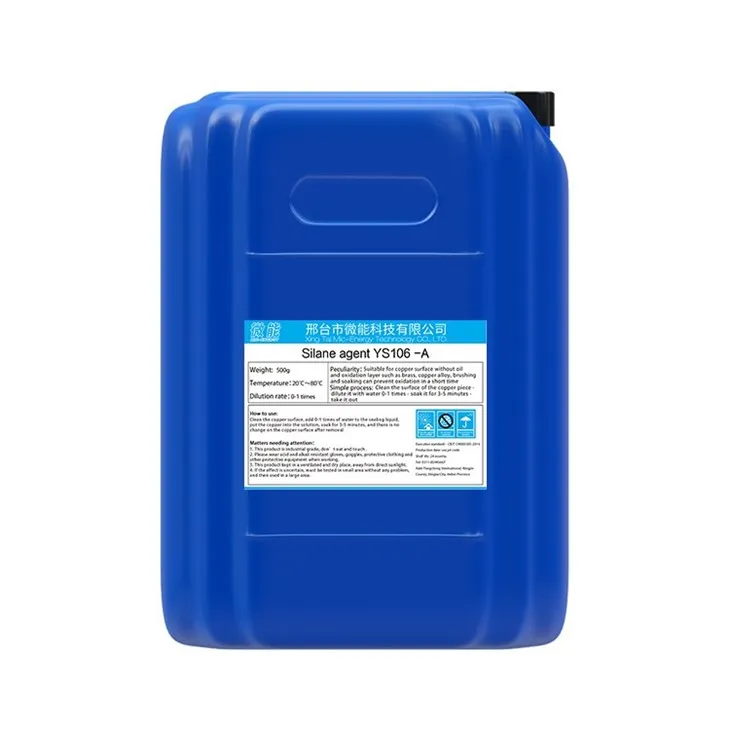

Phosphating treatment is one of the main pollution sources of water eutrophication. Phosphating treatment pollution includes treatment waste residue after phosphating and treatment residual waste liquid. Phosphating treatment is a sedimentation process, which makes 15% to 40% of the treatment agent inevitably become waste residue. These waste residues not only contain phosphates but also heavy metals such as manganese, nickel, etc. Waste residue is expensive to dispose of and has little recycling value. Therefore, the usual measure taken by manufacturers is to bury them. Buried waste pollutes the soil and will enter rivers with rainwater to form secondary pollution.
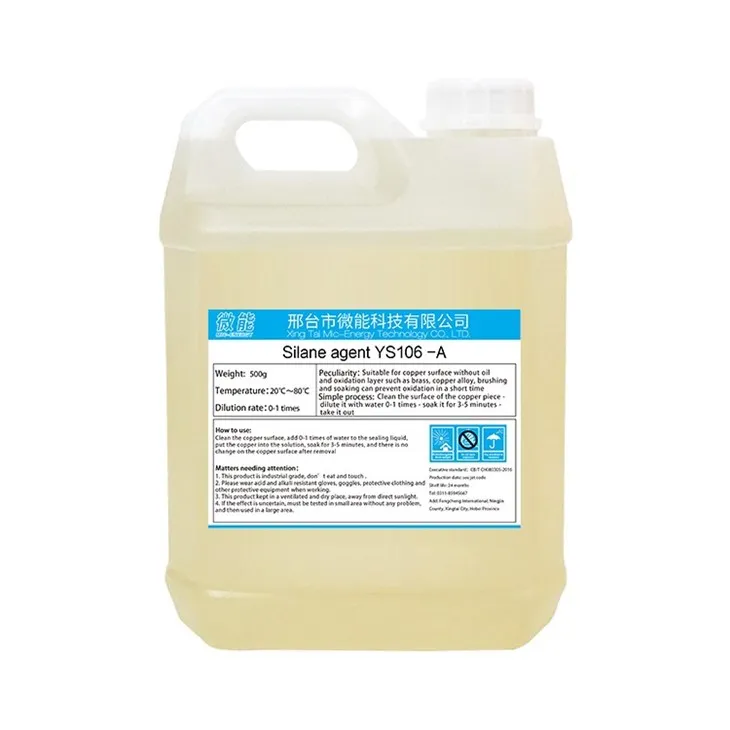
However, the phosphating process is a very widely used metal anti-corrosion process. As large as car bodies and ship hulls, as small as screws and nuts, without phosphating treatment, the service life of steel parts will be greatly reduced. The metal silylation process is an alternative process to phosphating that emerged as the times require. It takes advantage of the amphiphilic properties of silane (that is, it is organic and inorganic) to functionally replace the corrosion resistance of phosphating and improve coating adhesion. Ability. In the 1990s, the United States began to study silanization technology. Since silanization technology does not contain phosphorus and has superior environmental performance, it has always been a research hotspot in metal treatment. After nearly two decades of research, silanization technology has gradually matured, and because its cost is comparable to phosphating, it is regarded as the future of metal treatment processes.s
Popüler Etiketler: , Silan yanması, Silan standardizasyonu, Silan bağlama ajanı, Silan korozyon karşıtı ajan, Silane Otoignisyon Sıcaklığı, Silan emülsifiye edici ajan